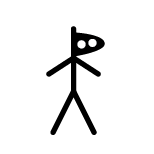
Sign
M4
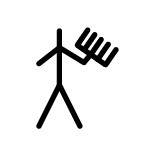
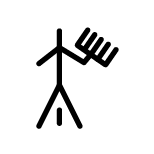
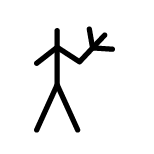
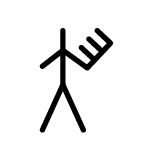
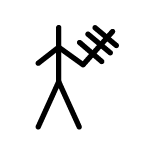
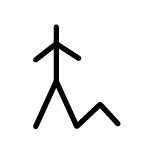
Looks like: person with flag for a head
From the field-cady sign descriptions (Parpola 007). This describes the picture, not the meaning: a sign that looks like a fish may stand for a sound or another word.
Appears in 2 texts (2 uses), on seals at Mohenjo-daro; too rare to say where it sits in a text.
Where it appears 2
Counts are distinct texts in the Mahadevan 1977 concordance (a text repeated on many moulded tablets counts once). 2 objects in all carry it.
| Object | Texts | Share |
|---|---|---|
| Seal | 2 | 100% |
| Site | Texts | Share |
|---|---|---|
| Mohenjo-daro | 2 | 100% |
| Where | Uses | Share |
|---|---|---|
| First sign | 1 | 50% |
| Inside | 0 | 0% |
| Last sign | 1 | 50% |
| Whole text | 0 | 0% |
Position counts use only texts with no damaged passage (2 uses).
No Wells equivalent in the concordance this project uses, so there are no ICIT counts.
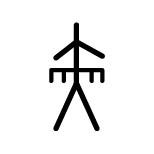
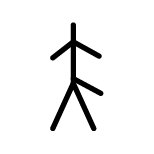
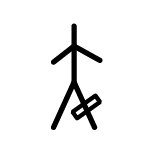
Variants
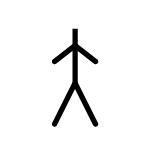
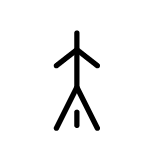
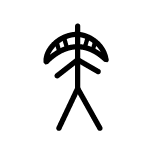
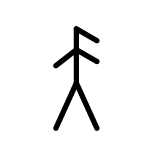
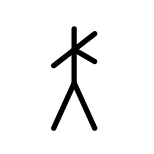
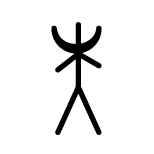
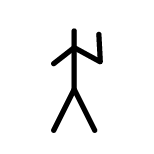

Neighbours and fixed pairs
Published readings
No published reading of this sign is in the project’s lists.
From proposals.json and CATALOGUE.csv. A claim is listed under every sign it names.
Project tests 1
Role in the text
- Positional class
- Unclassified. Its raw label was opener, but it did not keep that label reliably. Grammar
Role names such as opener or noun are labels for positions, not tested meanings.
Mentioned in 1 result file
- Structure of the Indus texts: direction, inventory, positional classes, segmentation, grammar1 line. “…s any merge of similarly behaving signs, so it cannot validate allography. This weakens shaunmortal M4’s “validated by prediction”. Allography needs palaeographic evidence: the same object, scribe or…”
Example texts 2



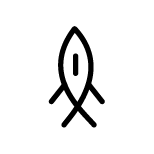
Text 1189 · Mohenjo-daro · seal · M391 M123 M86 M4

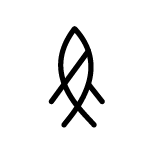



Text 2333 · Mohenjo-daro · seal · M4 M99 M70 M72 M249 M169 M342
Signs in reading order, first sign on the left. Text numbers are Mahadevan’s (1977). / marks a line break, … a damaged passage.